
Anal Fissure
Painless laser treatment for anal fissure with quick recovery and lasting relief.
5,000+
Successful Procedures
4.7 – 4.9
Patient Rating
85+ NPS
Happy Patients
Insurance
All Accepted
Get expert care for Anal Fissure
Connect with your health counsellor today!
Minimally Invasive Options
Day-Care Procedure
Quick Recovery
Safe & Effective
Low Recurrence Risk
Expert Surgeons
About Anal Fissure
(General surgery)
An anal fissure is a small tear in the lining of the anal canal that causes sharp pain and bleeding during or after passing stool. Most acute fissures heal with sitz baths, fibre, stool softeners and ointments, but chronic or recurrent fissures need a definitive procedure. Healic offers laser sphincterotomy and lateral internal sphincterotomy (LIS) as safe day-care options that relieve sphincter spasm, allow the tear to heal and prevent recurrence — with minimal pain, no open wound and rapid return to routine.
Patients commonly visit for sharp pain during and after bowel movements, bright red blood on stool or toilet paper, itching or irritation around the anus. Our general surgery team checks causes such as constipation and hard stools, straining during bowel movements, chronic diarrhoea or loose motions and explains suitable options including acute fissure, chronic fissure, primary fissure, secondary fissure with transparent pricing and follow-up support.
Know the Symptoms
- 1

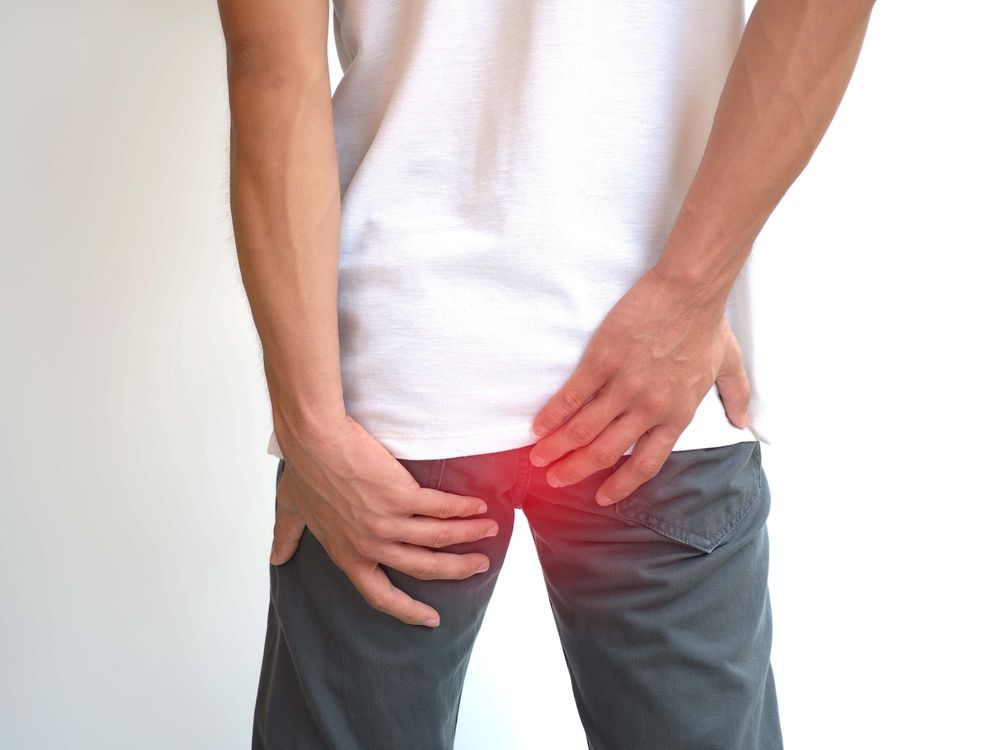
Sharp pain during and after bowel movements
- 2

Bright red blood on stool or toilet paper
- 3
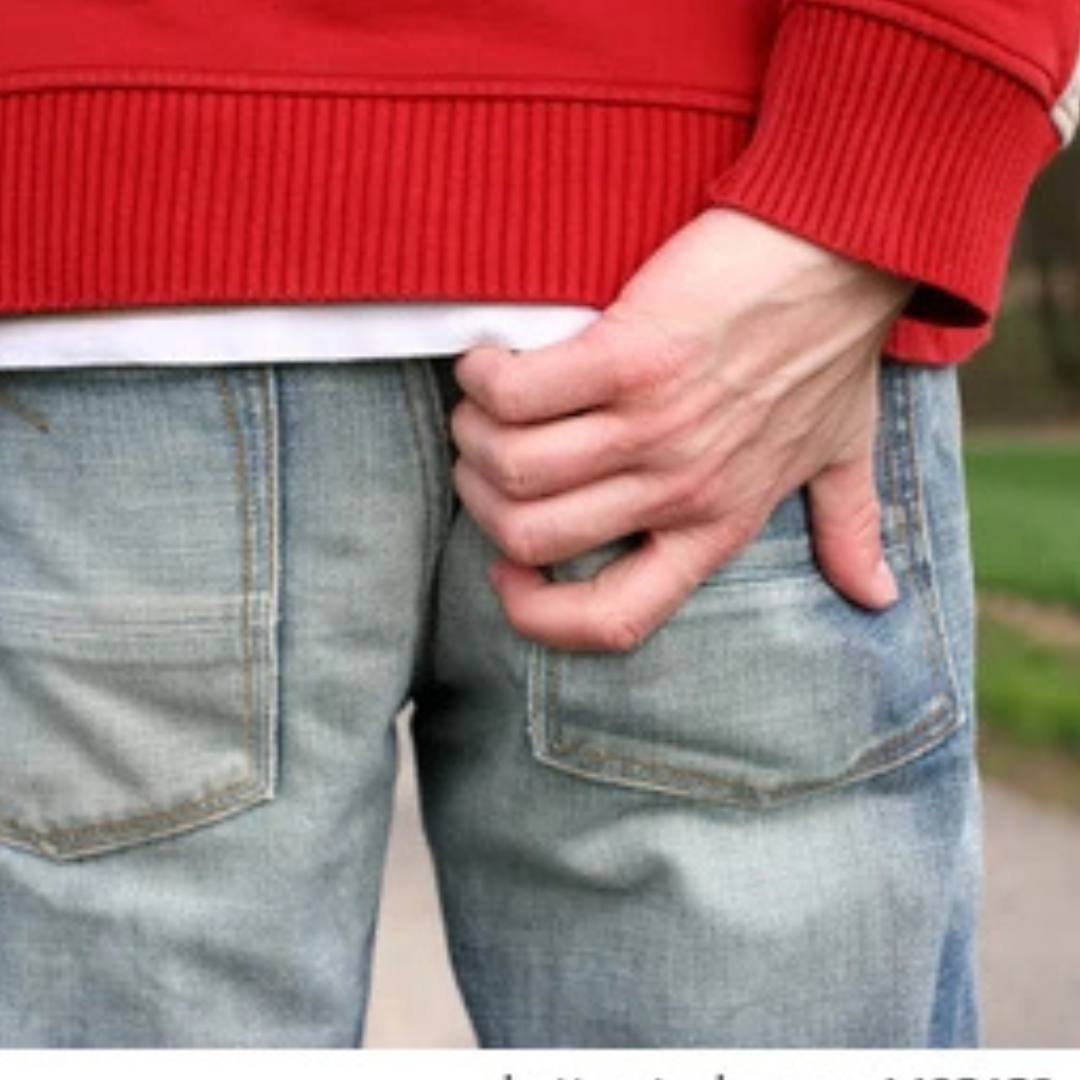
Itching or irritation around the anus
- 4
Visible tear near the anus
- 5
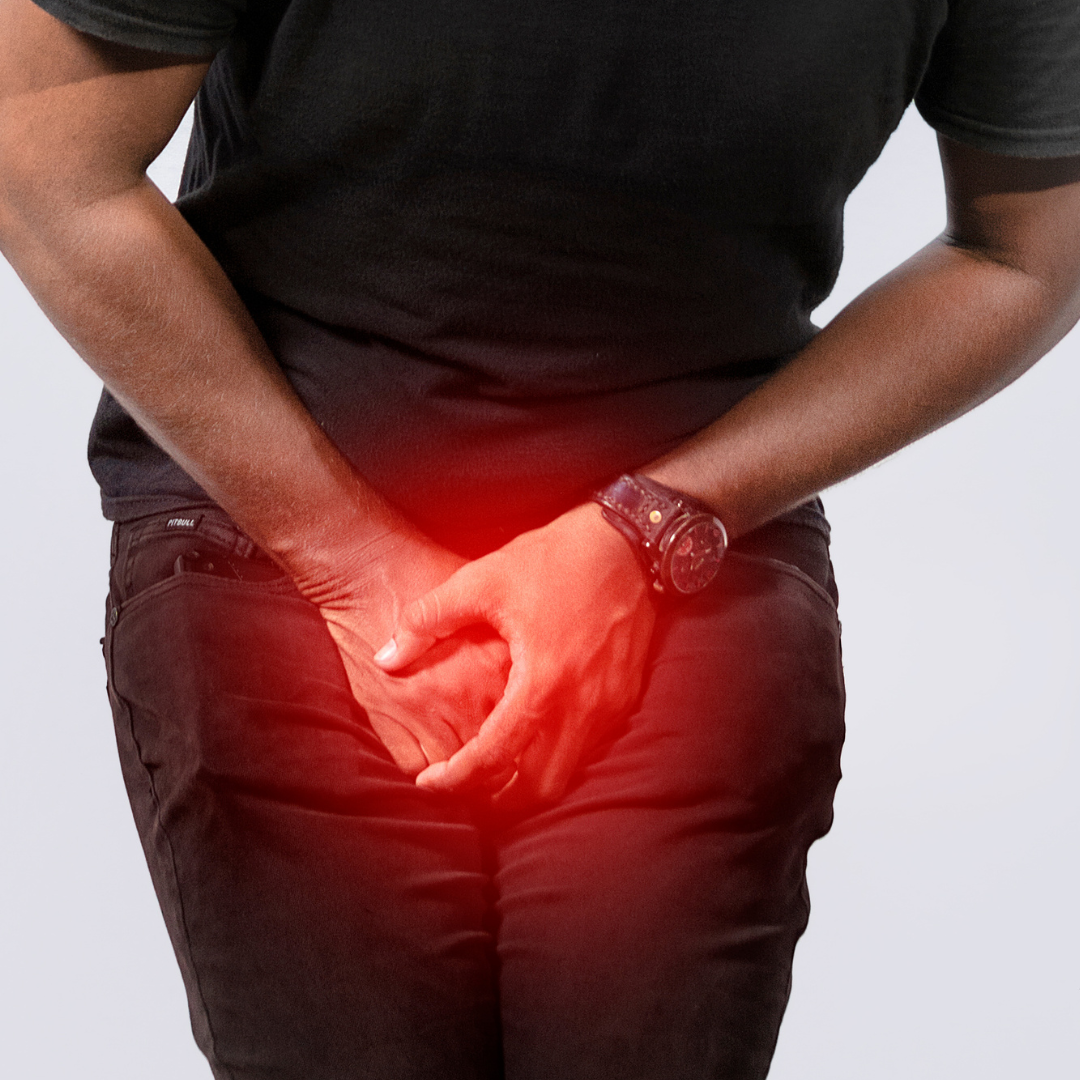
Spasms in the anal muscles
- 6
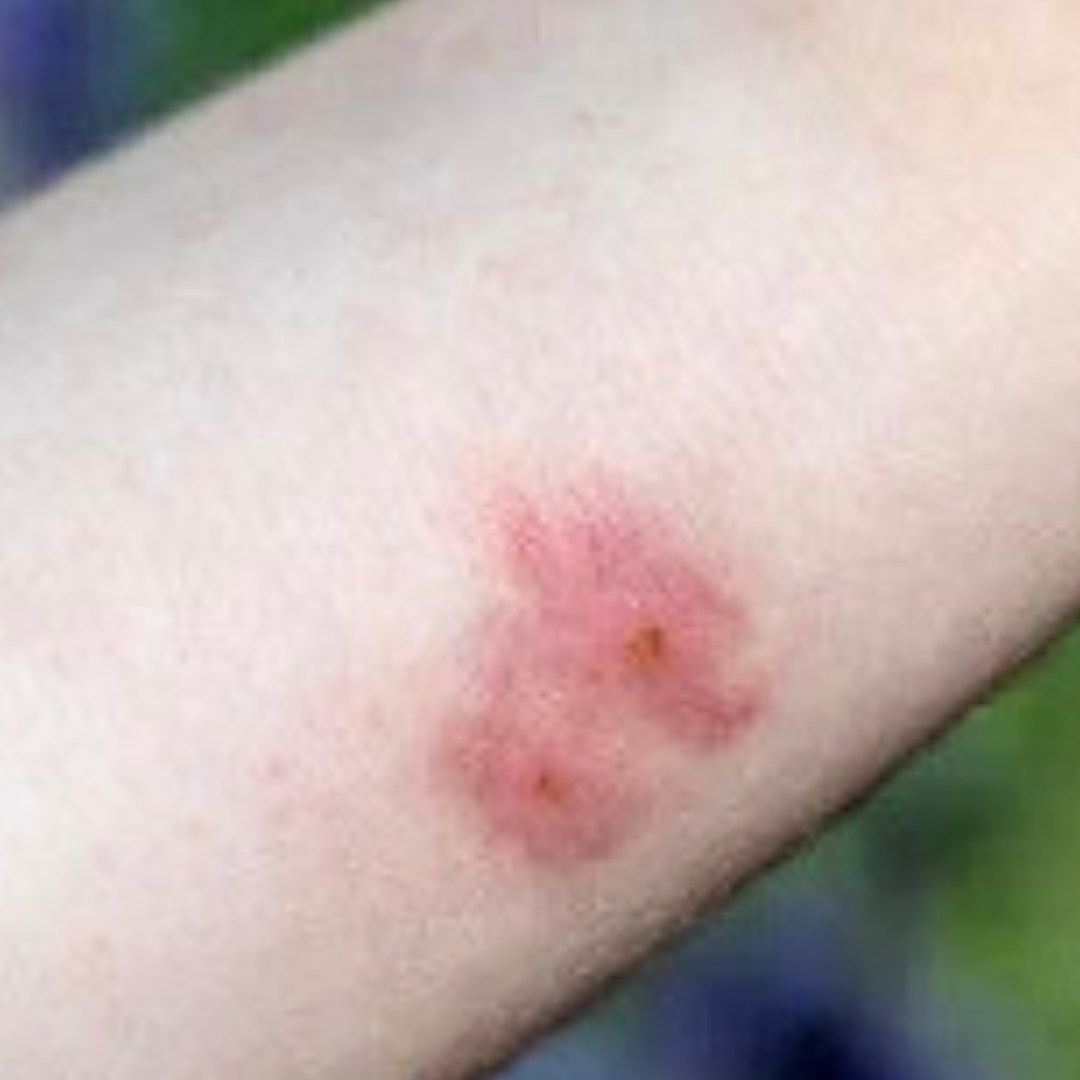
A small skin tag (sentinel pile) near the fissure in chronic cases
Anal Fissure Causes

Constipation and hard stools

Straining during bowel movements

Chronic diarrhoea or loose motions
Childbirth-related anal trauma (in women)

Anal intercourse

Poor blood supply to the anal area
Types of Anal Fissure
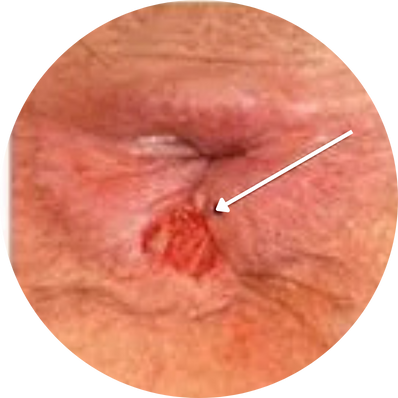
Acute Fissure
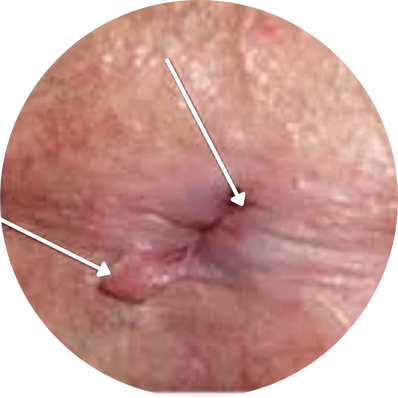
Chronic Fissure
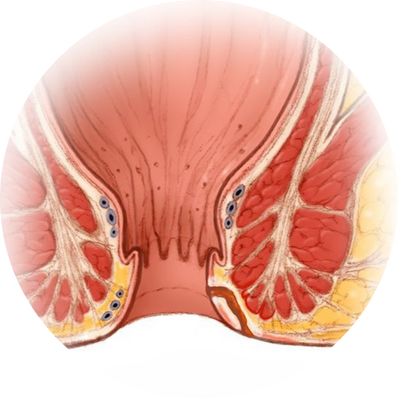
Primary Fissure
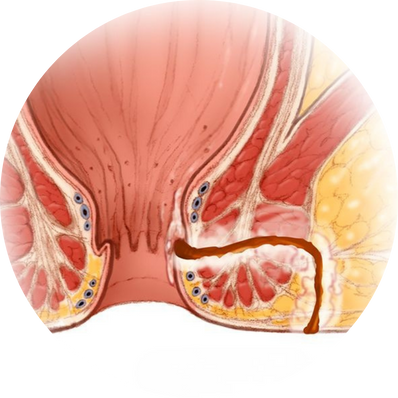
Secondary Fissure
Surgical Methods at Healic
Different patients need different approaches. Our surgeons choose the right method for your condition, age and recovery goals.
- Method 01
Laser Sphincterotomy
A laser fibre gently relaxes the spastic internal sphincter and seals the fissure base — minimal pain, no open wound, same-day discharge.
- Method 02
Lateral Internal Sphincterotomy (LIS)
Time-tested partial division of the internal sphincter for chronic fissures with very high cure rates.
- Method 03
Fissurectomy
Excision of the chronic fissure edges and sentinel tag, often combined with sphincterotomy for fast healing.
Why Choose Healic for
Anal Fissure
(General surgery)
- 1

Proper Counselling
- 2

Fixed Price Explanation
- 3
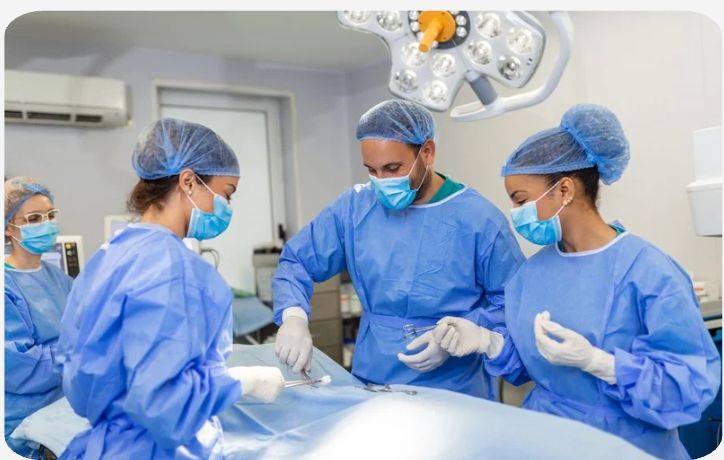
Safe Treatment
- 4

Structured Monitoring
- 5

Time-Bound Discharge
500+
Procedures Every Month
4.7 – 4.9
Google Rating
85+
NPS Score
Key benefits at Healic
- Day-care procedure with same-day discharge
- Painless laser option with no open wound
- Immediate relief from sphincter spasm
- Very low recurrence after surgery
- Minimal bleeding and fast healing
- Quick return to office work in 2–3 days
What Our Patients say
"Very transparent pricing and caring staff. Highly recommend Healic for anal fissure."
PMPriya M.
Verified patient
"Got my anal fissure done at Healic. The team was super supportive and recovery was much faster than I expected."
RSRahul S.
Verified patient
"Doctors explained everything patiently. The procedure went smoothly and I was discharged on time."
AKAnil K.
Verified patient
"Excellent experience from consultation to discharge. The fixed-price package gave me complete peace of mind."
SRSunita R.
Verified patient
Doctors for Anal Fissure
(General surgery)
- RS
- JD
- HB
- AK
- AP
- AS
Find Answers to
Your Questions
We are happy to answer every question you have.
1.Is anal fissure surgery very painful?
No. Laser sphincterotomy is performed under short anaesthesia and most patients report significant relief from the original fissure pain within 1–2 days of surgery.
2.Will the fissure come back after treatment?
Recurrence is very low after laser or LIS surgery when combined with a high-fibre diet, good hydration and avoiding constipation and prolonged straining.
3.Do I always need surgery for an anal fissure?
No. Acute fissures often heal with sitz baths, fibre, ointments and stool softeners. Surgery is recommended for chronic, recurrent or non-healing fissures.